
Saudi Arabia
Saudi Arabia: A Land of Surprises, Luxury and Deep Heritage
Before 2019, visiting the Kingdom of Saudi Arabia (KSA) as a tourist was nearly impossible. Today, however, getting a tourist visa is quick and easy—you can apply online before your trip and it costs around 100 EUR (https://visa.visitsaudi.com). This change is part of Saudi Vision 2030, an ambitious reform plan aiming to diversify the country’s economy and reduce its reliance on oil (currently accounting for about 40% of GDP). Tourism is a key pillar of this vision. Previously, the country only granted visas for business travelers, workers, or pilgrims visiting Mecca and Medina.
Before I left for Saudi Arabia, reactions from people around me ranged from curiosity to outright concern:
“Why would you go there? Isn’t it dangerous?” “Don’t women have to be fully covered, even tourists?” “Women aren’t allowed to swim in pools or the sea!” “You’re not married—can you even share a room with your partner?”
None of these assumptions turned out to be true.
I’ll admit—I had some expectations, but Saudi Arabia completely surprised me. I’ve never felt as safe anywhere in the world as I did there. The people are warm, welcoming and genuinely excited to see tourists exploring their country.
The best time to visit is between October and early May. Summer months should be avoided due to extreme heat and I also recommend skipping travel during Ramadan.
Jeddah: Where Tradition Meets Modernity
This vibrant city on the Red Sea blends historical charm with modern flair. Known for its art, architecture and laid-back atmosphere, Jeddah is one of the most progressive and open cities in the kingdom.
What to see?
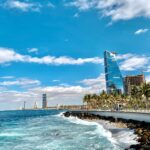
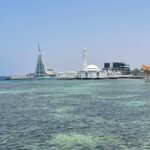
To experience the city’s pulse, head to the Corniche—a scenic coastal stretch that comes alive in the late afternoon and evening when the sun sets and temperatures drop. Stroll past cafes, restaurants and art installations, visit the iconic Al Rahma Floating Mosque, or admire the world’s tallest fountain—King Fahd’s Fountain, soaring 260 meters into the sky.
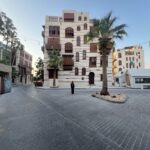
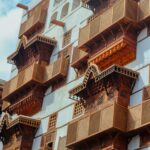
A stark contrast to the modern Corniche is Al-Balad (Old Jeddah), the historic heart of the city and a UNESCO World Heritage site founded in the 7th century. Walking its narrow alleyways feels like stepping back in time—spice shops, date stalls, art galleries, traditional coral-stone houses with carved wooden balconies… it’s truly magical. Although large parts have been beautifully restored, some side streets still show untouched, timeworn buildings.
Where to stay?
Jeddah is quite spread out, so getting around is easiest by rental car or taxi. I recommend arranging car rental in advance and picking it up at the airport (note: Terminal 1 hosts all rental companies and is 20 minutes by car from the North Terminal).
Staying near the Corniche is ideal. You’ll find luxury hotels like Assila, Park Hyatt, Ritz-Carlton, Rosewood, Shangri-La and Waldorf Astoria—plus great restaurants, cafes and shopping. It’s also a convenient location for exploring the city, reaching the airport and visiting Al-Balad.
The Red Sea Project: The Future of Luxury Travel
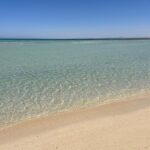
One of Saudi Arabia’s most ambitious undertakings is The Red Sea Project, nestled along a pristine stretch of coast between Umluj and Al Wajh. This area boasts crystal-clear waters, over 90 untouched islands, vibrant coral reefs (some of the best-preserved in the world) and endless sandy beaches.
Important to know: swimwear is not appropriate on public beaches, but resorts offer private beaches and pools where swimwear is perfectly acceptable.
With the new Red Sea International Airport, the area is now more accessible from Jeddah, Riyadh and Dubai. Driving from Jeddah takes around five hours.
High-end resorts such as Six Senses Southern Dunes, The St. Regis Red Sea Resort and Nujuma, a Ritz-Carlton Reserve are already welcoming guests and redefining eco-conscious luxury. Other unique properties like Shebara Resort, Desert Rock Resort and Turtle Bay Hotel are open, with world-class names like Rosewood, Raffles, Four Seasons and Miraval soon to follow. All these resorts can be booked via NTravel, where we offer tailored advice and meticulously crafted travel experiences based entirely on your preferences.
Although still developing, the Red Sea region is absolutely worth visiting. Walking along serene beaches, snorkeling among colorful tropical fish, exploring coral reefs and stargazing under unpolluted skies create a tranquil experience in harmony with nature.
AlUla: A Journey to Another World
If there’s one place that truly feels otherworldly, it’s AlUla—a hidden gem of history, mystique and raw desert beauty. Once a bustling trading hub, AlUla is now a vast open-air museum in northwest Saudi Arabia. It’s one of the most spectacular places I’ve ever seen.
Getting there:
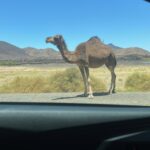
The quickest option is a domestic flight from Jeddah (about 1.5 hours). However, I highly recommend driving—it takes 8 to 9 hours through breathtaking desert and volcanic landscapes. Roads are in great condition and the drive is safe, but it’s best done in daylight, as Saudi drivers can be unpredictable and you’ll often encounter camels near (or on) the road. You can also break up the trip with a stay at one of the Red Sea resorts.
What to see?
Hegra (Madain Saleh)
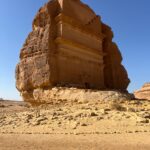
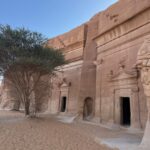
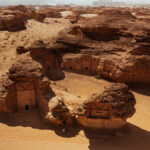
The crown jewel of AlUla and the country’s first UNESCO World Heritage Site. Over 100 tombs were carved into rock by the Nabataeans (the same civilization behind Petra in Jordan) as early as the 1st century CE. The most famous is Qasr al-Farid, an unfinished tomb carved from a single rock, standing 22 meters tall. Visits are only allowed with an official guided tour and tickets must be booked in advance (limited availability) at experiencealula.com. Despite the restrictions, this was definitely the highlight of the entire trip.
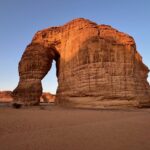
Elephant Rock (Jabal AlFil)
A towering rock formation shaped like an elephant, standing 52 meters high. Sunset is the best time to visit—relax at cafes or lounges, enjoy a shisha and soak in the magical views.
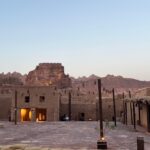
Old Town
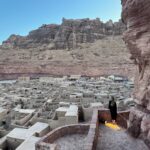
Stroll the winding alleyways of over 900 mudbrick and stone houses dating back to the 12th century. Once a major stop for pilgrims on the way to Mecca, today it offers a glimpse into traditional life in an oasis town. At night, the main street comes alive with cafes, local eateries, art galleries and soft music, creating an enchanting atmosphere. Don’t miss AlUla Castle just above the town, offering panoramic views over the oasis and surrounding cliffs.
Ashar Valley & Maraya Hall
In the northern part of AlUla lies Ashar Valley, home to Maraya, the world’s largest mirrored building (made from almost 10.000 mirrors), reflecting the desert around it in a surreal visual experience. This architectural marvel hosts concerts, exhibitions and art events. “Maraya” means “reflection” in Arabic—and true to its name, the building seems to disappear into the landscape.
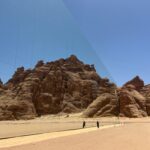
Ashar Valley is an exclusive area with restricted access – entry is only allowed with a prior reservation. Without a confirmed booking at one of the restaurants or hotels, outside visitors are not permitted to enter. This stunning and serene oasis is home to two prestigious hotels – Our Habitas AlUla and Banyan Tree AlUla – offering a unique experience in the heart of a picturesque desert landscape.
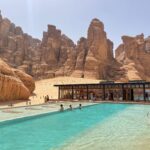
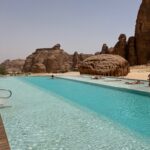
Staying at Our Habitas AlUla was an unforgettable experience of peace, luxury and connection with nature. Nestled among the spectacular rock formations of Ashar Valley, the hotel enchants guests with its magical ambiance and top-notch service. The most iconic feature is certainly the pool, set among the majestic rock formations surrounding the valley. Each day begins with outdoor yoga or pilates and in the evening, your soul is soothed with a sound bath under the stars. The villas offer complete privacy and stunning views, while the staff, with their warmth and discretion, make you feel truly at home.
Harrat Viewpoint
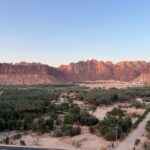
If you want a panoramic view of the entire AlUla valley, it’s worth heading up to the Harrat Viewpoint. At sunrise or sunset, the view is absolutely breathtaking. At the top, you’ll also find a small café where you can relax with a cup of local coffee or tea while taking in the expansive landscape.
Where to stay?
AlUla offers some of the most unique accommodations in the Middle East.
Dar Tantora by The House Hotel, Habitas AlUla, Banyan Tree AlUla, The Chedi Hegra.
AlUla is still a destination untouched by mass tourism and that’s exactly where its charm lies – serenity, exclusivity and the feeling that you are among the first to discover something truly special. In the coming years, it is set to become one of the world’s most iconic travel destinations, which is why now is the perfect time to visit – before it gets overrun by mass tourism.
Traveling to Saudi Arabia is truly something special – a blend of ancient heritage, stunning nature and modern progress that opens up a whole new world to explore and offers unforgettable experiences. If you’re considering a visit to Saudi Arabia and would like us to design an unforgettable journey just for you, feel free to reach out at info@ntravel.si. I’ll be happy to help you plan a unique travel experience tailored to your wishes.