MALDIVES – A Paradise on Earth
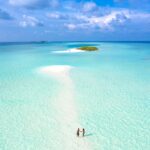
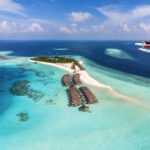
The Maldives consist of more than 1,100 islands spread across 26 atolls in the Indian Ocean. With their white sandy beaches, turquoise waters, and rich marine life, they attract tourists from all over the world.
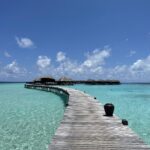
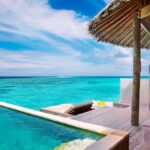
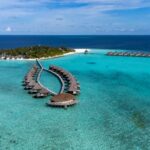
The Maldives feature around 160 private resort islands, operating under the principle of one island = one resort. They are a true paradise for those seeking a unique, luxurious getaway, offering world-class accommodations, fine dining, wellness services, sports activities, snorkeling, diving, and exclusive experiences.
Best Time to Visit the Maldives
The Maldives have a tropical climate characterized by two main monsoon seasons that influence the weather on the islands:
- Northeast Monsoon (Iruvai) – Dry Season (December – May): This is the dry season, with rare rainfall, low humidity, and pleasant daytime temperatures around 28°C. This is the best time to visit, as the weather is more stable, the sea is calm, and conditions are ideal for diving, snorkeling, or simply relaxing on the beach. However, this is also peak tourist season, meaning higher prices.
- Southwest Monsoon (Hulhangu) – Rainy Season (May – November): This period brings more frequent rainfall, though showers are usually short and intense. The humidity is higher, and the weather is windier, with a greater chance of cloudy skies. However, temperatures remain warm, and despite a higher likelihood of rain, there are still many sunny days. Additionally, this period sees fewer tourists, offering a more peaceful and intimate experience.
December and May are transitional months when the monsoons shift. This transition can bring unpredictable and unstable weather, which may last for several days, sometimes up to a week.
The table below shows the official dates of the monsoon changeover since 2018. However, in recent years, the weather in the Maldives has become increasingly unpredictable. Even during the high season, there is more rain and wind, while long dry spells can occur during the rainy season. Traditional weather patterns can no longer always be relied upon.
| SW Monsoon | NE Monsoon | |
| 2018 | 11.05.2018 | 20.12.2018 |
| 2019 | 20.05.2019 | 08.12.2019 |
| 2020 | 18.05.2020 | 22.12.2020 |
| 2021 | 13.05.2021 | 20.12.2021 |
| 2022 | 12.05.2022 | 31.12.2022 |
| 2023 | 04.05.2023 | 24.12.2023 |
| 2024 | 14.05.2024 | 02.01.2025 |
| 2025 | 07.05.2025 | 17.12.2025 |
| 2026 | 08.05.2026 | / |
Transfers
After landing at Male International Airport, you will need a transfer to your resort. The type of transfer depends on the location and distance of your resort:
- Speedboat Resorts: Islands closer to Male are typically reached by speedboat (usually a 30–40-minute ride).
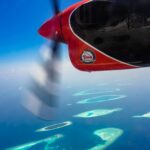
- Seaplane Resorts: More remote islands are accessible by seaplane. This flight offers stunning panoramic views of the atolls and lands directly on the water.
- Domestic Flight + Speedboat Resorts: Some resorts require a domestic flight to a nearby local island, followed by a speedboat transfer.
- Seaplane or Domestic Flight Resorts: Certain islands can be reached either by seaplane or domestic flight, allowing flexibility based on weather conditions and transport availability.
Coral Reefs, Manta Rays, and Whale Sharks
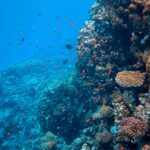
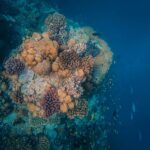
The Maldives are not only a paradise for beach lovers and luxury resorts but also for those eager to explore the underwater world. Contrary to popular belief, not every Maldivian island is surrounded by a coral reef, so choosing the right resort is crucial if snorkeling is a priority.
In 2016, the Maldives, like many tropical destinations, experienced the effects of El Niño, which caused higher sea temperatures and coral bleaching. Unfortunately, some reefs have not yet fully recovered, with damaged and dead coral still visible in certain areas.
Despite this, the Maldives boast over 200 species of coral and more than 1,000 species of colorful tropical fish. While snorkeling, you may encounter turtles, stingrays, octopuses, moray eels, and, with some luck, even dolphins. A particularly thrilling experience is swimming with reef sharks, such as white-tip, black-tip, nurse, lemon, and grey reef sharks. These species are harmless to humans, and there has never been a recorded fatal shark attack in the Maldives.
One of the most magical experiences is swimming with whale sharks and manta rays.
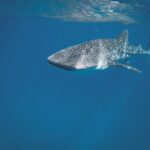
Whale Sharks
Whale sharks are the largest species of fish, growing up to 12 meters in length. The best place to observe and swim with them is the South Ari Atoll, where they can be seen year-round, with peak season from August to November, when plankton levels are highest. Another popular location is the Baa Atoll, where the season lasts from May to November.
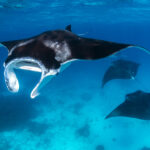
Manta Rays
There are two main seasons for observing manta rays in the Maldives:
- May–November (Southwest Monsoon): Mantas are most commonly found on the eastern side of the atolls.
- December–April (Northeast Monsoon): Mantas migrate to the western side of the atolls, where plankton is most abundant.
Although manta rays can be seen year-round, the best time to observe them is between June and November, when plankton levels are highest. The most famous location for manta ray encounters is Hanifaru Bay in the Baa Atoll, the heart of the Maldives’ only UNESCO Biosphere Reserve. Between June and November, up to 200 manta rays gather here, creating an unforgettable experience.
Best Resorts for Snorkeling
- Anantara Kihavah
- Ayada Maldives
- Baros Maldives
- COMO Cocoa Island
- Kandolhu Island
- Lily Beach Resort
- Mirihi
- NH Collection Maldives Havodda Resort
- Park Hyatt Hadahaa
- Raffles Meradhoo Maldives
- Vilamendhoo
Maldives – An Unforgettable Experience
If you want to learn more about planning your dream vacation in the Maldives, I am here to assist you every step of the way. NTravel offers more than 100 resorts in different categories (4* – 5*+). Contact me at info@ntravel.si, and together we will find the perfect resort to match your desires.